The Last Hundred Metres: Planning MEWP Deliveries for Streets That Fight Back
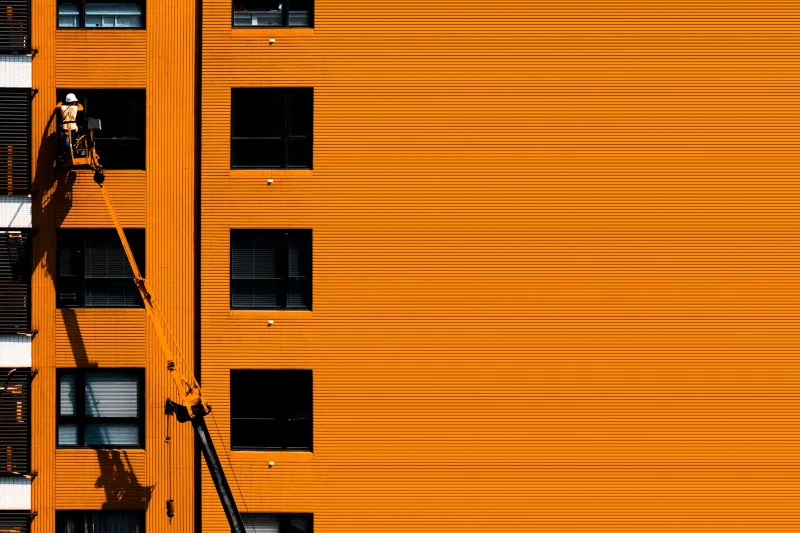
Most MEWP hires are planned around the machine: reach, height, power, capacity, whether it fits through the gate. All sensible stuff. But plenty of hires go sideways before the machine has even touched the ground, because the lorry carrying it cannot get anywhere near the job.
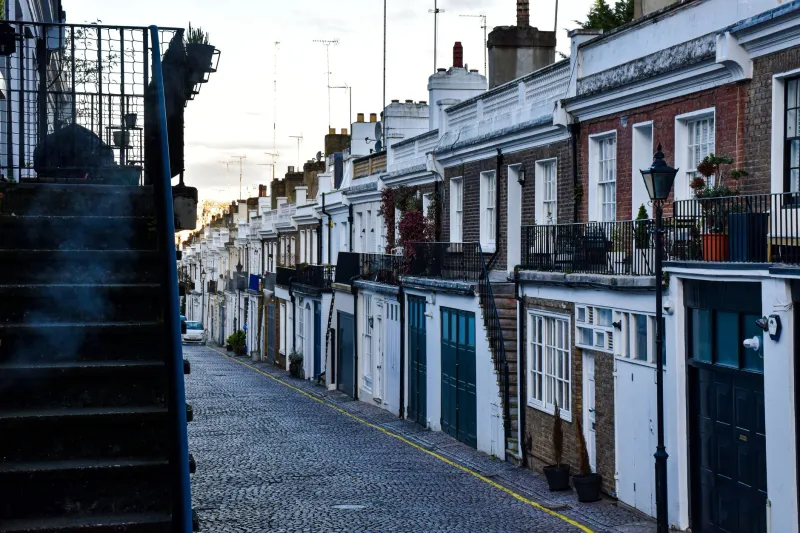
That is the last-hundred-metres problem. On a new-build estate with a wide access road, it barely registers. On a street of Victorian terraces with bays on both sides, a school at one end and a weight restriction at the other, it becomes the whole job.
The street is part of the access plan
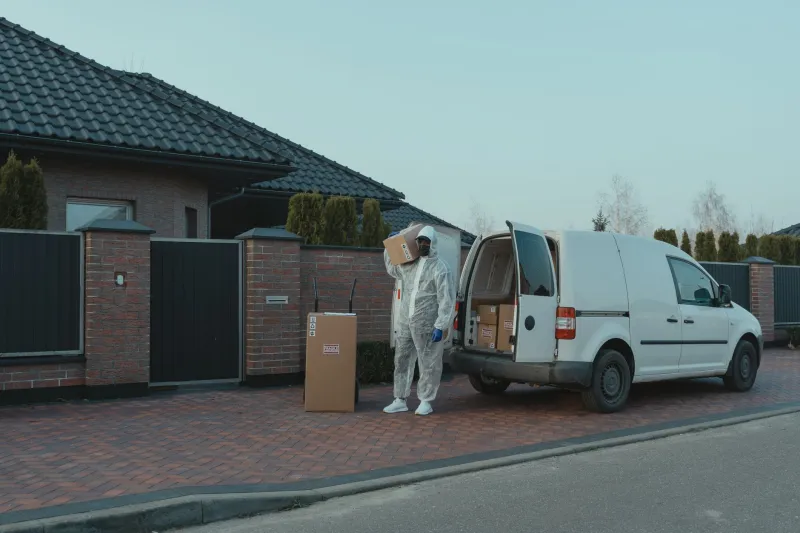
A MEWP is not just the machine you see in the hire brochure. It arrives on something. That something might be a 7.5-tonne beavertail, an 18-tonne rigid, a crane lorry or a trailer. Each one has its own length, width, turning circle and axle weights. If the delivery vehicle cannot legally or physically reach the gate, the hire is not really booked - it is hoped for.
So start with the approach, not the platform. Look at the route from the main road to the site entrance. Not just the postcode on a satnav. Check for width restrictions, low bridges, bus gates, school streets, weight limits and camera-enforced no-entry points. A route that works in a van at 7am may be completely different in a lorry at 8.30am.
Weight limits are not decorative
A sign saying '7.5t except for access' is not an invitation to send whatever fits through the gap. It is a legal restriction with specific exemptions, and councils enforce it with cameras. If the delivery lorry is over the limit, the driver may refuse to proceed - and rightly so. The last thing anyone needs is a fine, a damaged road or an aborted delivery sitting on the hire paperwork.
Check the traffic regulation order if you are unsure. Ask the hire desk what vehicle they plan to send and what it weighs when loaded. Then check that against the signs on the approach. If there is any doubt, find another drop point or ask about a smaller delivery vehicle. Do not assume the driver will 'sort it out'.
Parking suspensions: book the bay, not just the cones
On many UK streets, the delivery needs a suspended parking bay. That means contacting the council, paying the fee and allowing enough lead time. In 2026 plenty of councils let you apply online, but lead times still vary from a few working days to a couple of weeks. Red routes and strategic roads may need a different application altogether.
A few cones you bought from the builders' merchant are not a parking suspension. Residents will move them, and enforcement officers will not thank you. The suspension notice needs to be in place, and the bay needs to be long enough and wide enough for the delivery vehicle plus any turning space. Check whether the bay is outside the actual gate you need, not just somewhere on the same street.
Delivery windows and the cost of a missed slot
Hire companies work to delivery windows for a reason. If the lorry arrives and there is nowhere to stop, the driver may wait - or may leave. Waiting time, failed delivery charges and a lost day of hire can add up quickly.
Be realistic about the window. An 8am delivery sounds efficient until you remember the school run, the bin lorry and the fact that half the street is still asleep. A later slot might suit the street better, even if it means a shorter first day. Ask what happens if access is blocked, who gets called and how long the driver will wait. Put a mobile number on the order that someone will actually answer.
When the lorry cannot get close
Sometimes the answer is not a bigger gap or a longer suspension. It is a different delivery method. Crane offload from a larger vehicle can work where a rigid lorry cannot park near the gate, but it needs planning: a lifting plan, a safe exclusion zone, checks for overhead lines and trees, and ground that can take the weight. It is not a casual favour from the driver.
On tighter jobs, a smaller machine may be the practical answer - a towable lift, a trailer-mounted unit or a compact spider lift that arrives on a van. That is an equipment decision as much as a delivery one, but it is worth having the conversation before you book the biggest machine that fits the job.
Questions worth asking the hire desk
Before the paperwork goes through, get clear answers on:
- What delivery vehicle will be used, and what are its loaded dimensions and weight?
- How is the machine offloaded - ramps, beavertail, crane or something else?
- What access does the driver need at the drop point?
- Who arranges the parking suspension or traffic management, and by when?
- What is the delivery window, and how flexible is it?
- What happens if the driver cannot get access on the day?
- Is the machine road-registered, and who is insured if it is moved on the public highway?
- Will collection need the same arrangements as delivery?
That last point catches people out. A smooth delivery does not guarantee a smooth collection. If the street was tight on the way in, it will be tight on the way out - possibly with more parked cars and less patience.
Walk it before you book it
A short site recce is worth more than a long phone argument on delivery day. Walk the route from the main road. Photograph the pinch points. Measure the gate. Look at kerbs, cambers, drain covers and overhead cables. Check where the bins go out and whether the neighbours have a habit of parking across the entrance.
The machine may be the star of the hire, but the lorry is the opening act. Get the last hundred metres right and the rest of the job has a much better chance of starting on time.