The First-Day Card: Supervising New Starters Around Hired MEWPs Without Guesswork
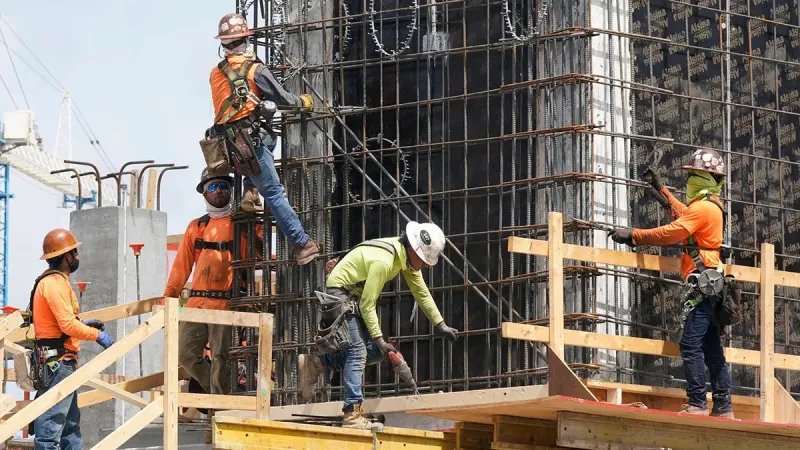
Photo: construction supervisor briefing young apprentice near scissor lift on UK site, via storables.com
In 2026, the hire desk is busy, the machine is on site by 7.30, and the apprentice is already asking whether they can have a go. That is not a bad instinct. It is exactly the sort of curiosity you want on a site. But a hired MEWP is not a digger in a quiet corner, and supervision is not a mood. It is a set of decisions made before the wheels turn.
The tricky bit is that everyone wants the first day to be useful. The new starter wants to prove themselves. The supervisor wants the job moving. The hire company wants the machine back in one piece and the paperwork clean. Those aims can all line up, but only if someone writes down who is doing what. That is where a simple first-day card earns its keep.
Familiarisation Is a Tour, Not a Ticket
Showing a new starter around a MEWP is worthwhile. Point out the controls, the emergency stop, the guardrails, the ground conditions, the exclusion zone, and the bits of the building they must not drift towards. That is familiarisation. It is not training, and it does not make someone an operator.
Formal training for the machine type, and the employer's check that the person is competent and authorised, is a separate thing. A newly qualified operator still needs a site-specific handover: this machine, this ground, this route, this rescue plan. A card in a wallet is evidence of training; it is not evidence that the person understands the loading bay, the overhead cables, or the fact that the only sensible route to the roof is blocked by a skip.
So be clear with apprentices and new starters: they can observe, help with ground tasks, check barriers, keep the walkway clear, and learn the layout. They cannot operate the machine unless they are trained, authorised, and included in the hire paperwork. Saying that plainly on day one is kinder than letting them assume a go on the joystick is part of the induction.
Who Is Actually Allowed in the Basket?
The operator needs the right training for the machine category. Passengers are a separate question. A passenger is not automatically covered just because there is room in the basket. The risk assessment needs to allow it, the passenger needs a familiarisation and, where required, the right harness arrangement, and the rescue plan has to account for two people rather than one.
This is where the 'second pair of hands' idea needs a hard look. An apprentice is not a cheap basket passenger, and they are not a human tool tray. If they go up, they are part of the lift plan. If something goes wrong, they are part of the rescue problem. That does not mean they can never go up. It means the decision should be deliberate, recorded, and made by someone who understands the machine and the task.
There is also a practical limit on supervision. A supervisor on the ground can direct, warn, and stop the job. They cannot always reach the controls in time. If the machine has ground controls and the procedure allows lowering from the ground, make sure the person on the ground knows how to use them. If not, the plan needs another competent person, not wishful thinking.
When the Supervisor Is the One on the Ground
Rescue planning often gets written as if the operator will always be the one who needs help. In reality, the person on the ground may be the only one who can respond. If the operator becomes unwell at height, the plan has to work from below.
Brief the new starter on the sequence, even if they are not the rescuer. Where is the emergency stop? How is the machine lowered? Who calls whom? Where is the first aid kit? Is there a second trained person on site, or is the plan dependent on the fire service arriving? Those questions should have answers before the first lift, not after the first wobble.
A short walkthrough is better than a laminated paragraph nobody reads. Put the new starter at the ground controls with the machine isolated and talk through the steps. Show them what not to touch. Make sure they know that 'I did not know what to do' is not a plan, and that asking for help early is part of the job.
Insurance, Incidents and the Paper Trail
Hire agreements often name authorised operators. If a new starter is going to be around the machine, check what the agreement and the insurance actually say. Do not assume a trainee is covered because they are on the site payroll. A quick call to the hire desk is cheaper than a claim conversation later.
Incidents and near misses need a route. Report damage or a dropped tool to the site manager and the hire company as required. Report near misses too, even when nobody got hurt. A near miss involving a new starter is useful information: it tells you the brief was too thin, the exclusion zone was too loose, or the wrong person was given the wrong task.
Keep the tone right. A new starter who thinks every mistake ends their career will stop telling you about the near misses. That is worse for everyone.
Build the First-Day Card
A one-page brief does not need to be a work of art. It needs to be readable at 7.45 in the morning.
- Machine type, hire reference, and date.
- Authorised operators by name, and who is observe-only.
- Supervisor name and phone number, plus a second competent person if there is one.
- Exclusion zone, no-go areas, ground conditions, and the route in and out.
- Emergency sequence: stop, lower, call, first aid, rescue.
- Basket rules: passengers, harnesses, tools, materials, and who decides.
- End-of-day routine: keys, isolator, parking, charging, and handover.
Hand it over at the start of the day, talk it through, and ask the new starter to repeat back the bits that matter. That is not a legal waiver. It is a record that the conversation happened.
The Debrief Is Part of the Supervision
At the end of the day, spend five minutes on the question that matters: what would we change tomorrow? Maybe the apprentice is ready for a different ground task. Maybe the exclusion zone needs another barrier. Maybe the rescue plan assumed a second person who was never on site.
Supervising a new starter around a hired MEWP is not about hovering. It is about giving them a useful role, being honest about what they are not yet trained to do, and making the safe path the obvious one. The first-day card is just the reminder. The real work is the conversation around it.