Don't Sign for the Stand-In: Five Checks When a Hire Desk Swaps Your Lift
It happens all the time. You have booked a machine, planned the job around it, briefed the team and maybe even measured the gate. Then the hire desk calls. The model you wanted is not available, but they have something else. It is 'similar'. It might even be an upgrade. The temptation is to say yes, get the machine on site and keep the programme moving. That is also how a small access problem becomes an expensive site problem.
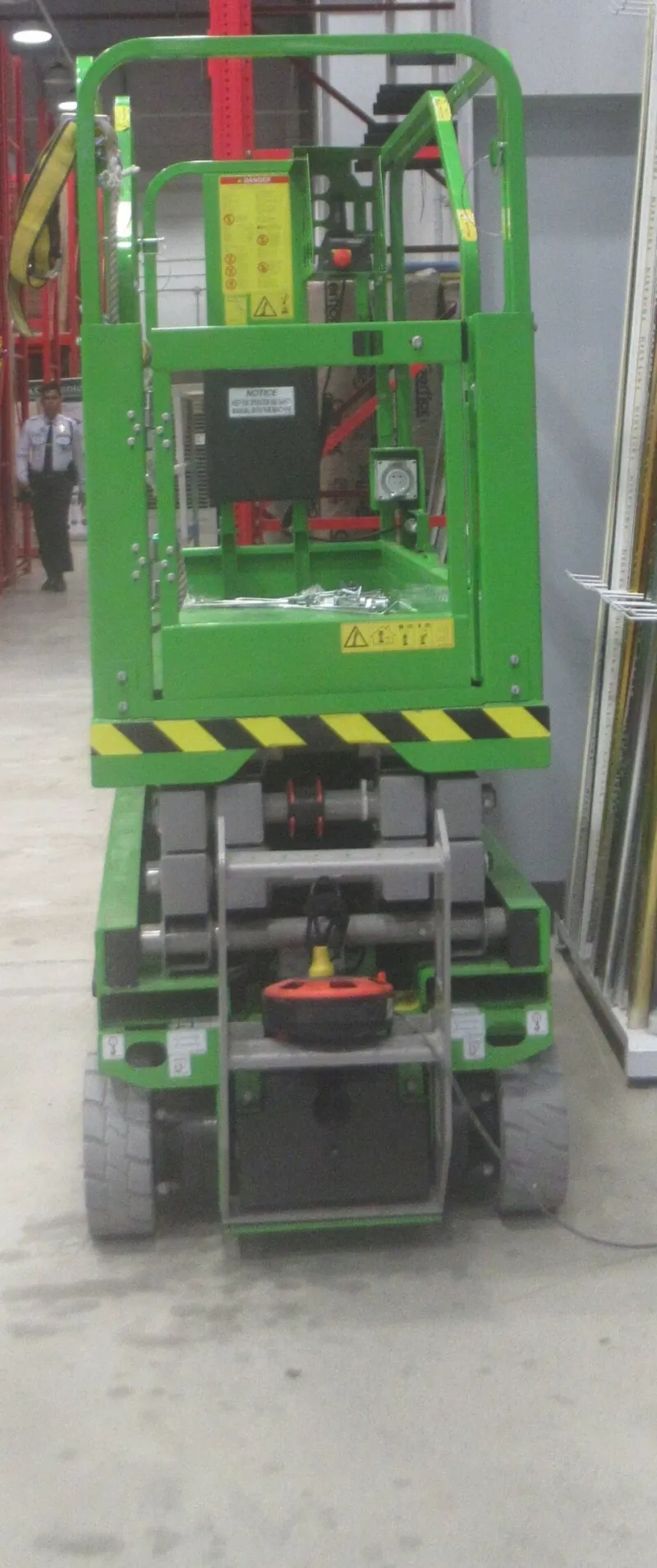
A substitution is not a paperwork formality. It is a different machine with different dimensions, different controls, different power and possibly different paperwork. Treat it like a new arrival, not a like-for-like replacement. These are the five questions I would ask before signing anything.
1. Will it actually fit?
Start with the physical envelope. Width, length, height, turning radius and weight. Then compare those numbers with the gate, the alley, the lift, the doorway, the floor and the turning circle at the far end. A machine that is 20 centimetres wider can turn a straightforward delivery into a crane lift. A machine that is heavier can change the floor loading question entirely.
Do not accept 'same size' as an answer. Ask for the datasheet. Check the collapsed height as well as the platform height. If the job relies on tracking through a building, check the ground pressure and the point loads. The building does not care that the hire desk was busy.
2. Can it carry what you need?
Platform capacity is not just about the number of people. It is about tools, materials, deck extensions and the way the load is distributed. If the substitute has a lower platform capacity, you may need fewer people or fewer materials in the basket. If it has a larger platform, the wind area may be greater, which matters on exposed sites.
Also check the ground bearing pressure and outrigger loads if it is a machine that uses them. A heavier substitute on a slab that was fine for the original machine is not an upgrade. It is a new engineering question.
3. Is the power source the same?
Electric, diesel, hybrid and battery machines are not interchangeable just because they go up and down. If you booked an electric machine for indoor work, a diesel substitute may be unsuitable because of fumes, noise or ventilation. If you booked diesel for a muddy yard, a battery machine may not have the duty cycle or the charging setup you need.
Ask about charging, refuelling and runtime. If the substitute needs a charge halfway through the shift, where is that going to happen? If it needs fuel, who is supplying it and where is it stored? These are small questions until they stop the job.
4. Do your operators know the controls?
Different manufacturers put the controls in different places. Emergency lowering, tilt limits, overload warnings, drive speed and platform enable switches can all vary. A competent operator is not automatically competent on every model. Familiarisation is not a box-ticking exercise; it is how you find out that the red lever does something different on this machine.
Ask the hire desk for a handover and the correct manual. If nobody can provide familiarisation before the machine goes to work, that is a reason to pause. It is not a reason to learn on the job at height.
5. Is the paperwork for this machine?
Check the serial number on the LOLER report, the manual and the hire agreement. Make sure the thorough examination is current and that the report matches the substitute. If the hire desk has swapped the machine but not the folder, you have a problem. Get the correct documents before use and keep a note of the substitution.
The cost of saying yes too quickly
The real argument for asking these questions is not that hire desks are trying to pull a fast one. It is that substitutions happen under time pressure, and time pressure is exactly when details get missed. A machine that does not fit through the gate, cannot power the job, or has controls nobody recognises will cost more than the delay of waiting for the right one.
It is fine to say no. It is also fine to accept a substitute, provided you have checked the five points, updated the risk assessment and briefed the team. The hire desk wants the machine working, not sitting in the yard. A few minutes of checking is usually the fastest way to make that happen.