The Second Pair of Boots: Agreeing a MEWP Passenger Policy Before Someone Asks
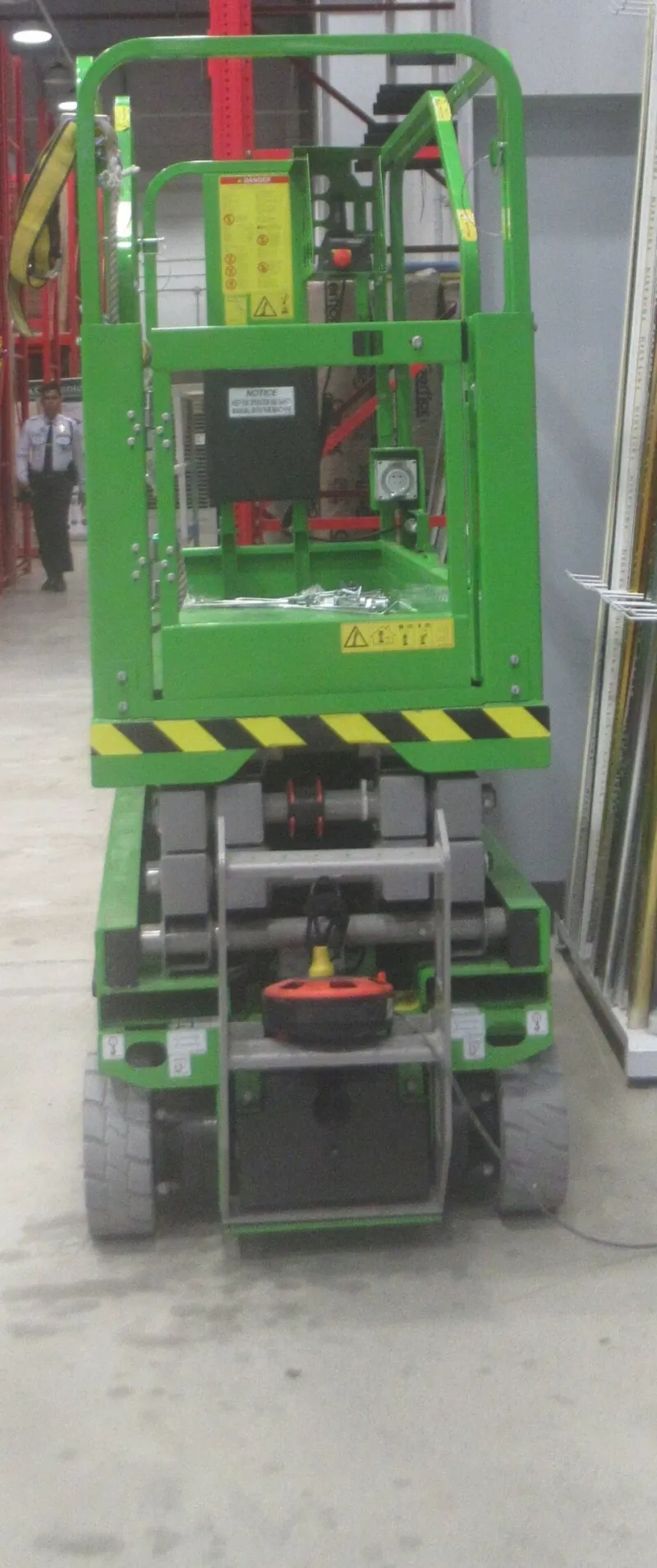
Photo: P1898, CC BY 4.0, via Wikimedia Commons
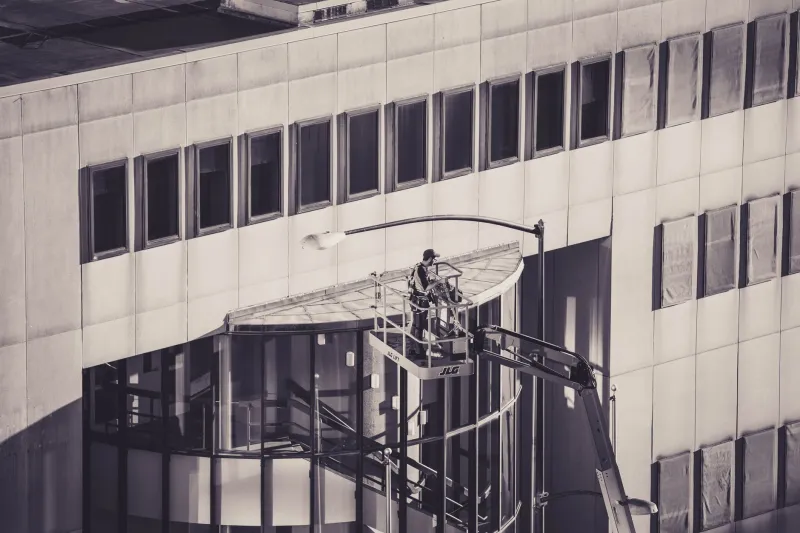
It usually starts with a perfectly reasonable request. The operator is already at height, a supervisor wants a closer look at a gutter joint, a client wants to point at a crack in the render, or a trainee wants to see how the controls feel. The question lands casually: 'Any room for me up there?' The machine might even say two persons on the rating plate. But a rated capacity is not a permission slip, and the gap between the two is where good intentions can go wrong.
A clear passenger policy is not about being difficult. It is about making the answer boring, predictable and already agreed before anyone puts a boot on the basket gate. Here is what that policy needs to cover for a hired MEWP in the UK.
A capacity plate is not a permission slip
Manufacturers rate MEWPs for a maximum load. Some machines are designed for one person only. Some carry two people, or one person plus materials, or a combination that depends on the basket configuration. The rating plate tells you what the machine can physically take. It does not tell you who is authorised to ride, whether your risk assessment allows it, or whether the hire company and insurer are happy.
That distinction matters because the question on site is rarely about kilograms. It is about authority. If the hire desk did not ask about passengers, that is not approval. If the principal contractor's induction did not mention passengers, that is not a green light. If the operator has a card in their wallet, that does not automatically cover a second person standing next to them.
The practical answer is to check three things before the machine arrives: the manufacturer's manual for the specific model, the hire agreement and insurance terms, and your own risk assessment and method statement. If any of those three is silent or vague, the policy is 'one person only' until someone with the right responsibility puts it in writing.
The paperwork that decides who rides
Hired plant often arrives with a familiarisation and a handover sheet. What it rarely arrives with is a site-specific passenger policy. That is your job, not the hire company's. Under PUWER and the usual management regulations, the employer or person in control of the site has to make sure work equipment is used safely. For a MEWP, that means thinking about the task, the people, the location and the emergency arrangements.
A useful passenger policy does not need to be a novel. It needs to state who can ride, under what conditions, and who signs it off. For example: 'Passengers are permitted only where the machine is rated for two persons, the task requires a second person at height, the passenger has been familiarised, and the rescue plan accounts for two people in the basket.' That is a sentence a supervisor can actually apply.
Insurance is the quiet part. Some hired plant cover is written around the named operator or the category of use. A passenger who was never declared can become a claims conversation nobody wants. Ask the hire company what their policy says about passengers, and ask your own insurer the same question. If the answer is 'we would need to know', then you need to know before the machine goes up, not after.
Training: the operator's card does not cover the passenger
An IPAF operator card or equivalent training shows that the operator has been assessed to run the machine. It does not turn a passenger into a trained operator, and it does not automatically brief them on what to do if something goes wrong. A passenger is not a spare pair of hands. They are a person in a suspended basket who needs to understand the limits of their role.
At a minimum, a passenger briefing should cover keeping feet on the basket floor, not leaning over the rails, where to stand relative to the load, how the harness or restraint is used if the machine and risk assessment require one, and what to do in an emergency. If the machine has an emergency lowering system, the passenger should know that it exists and who is likely to use it. If the operator becomes unwell, the passenger may be the only person at height who can respond.
Some sites go further and require passengers to have a recognised familiarisation record, a toolbox talk sign-off or a specific passenger authorisation. That is a sensible approach for facilities teams managing regular contractor visits. It turns a verbal 'you are fine' into something that can be produced when someone asks who authorised the lift.
Tools, materials and the quiet third passenger
Passengers and tools share the same load limit. A second person is not the only thing going up. There is the toolbag, the sealant gun, the inspection tablet, the box of fixings and the cup of tea that somehow made it into the basket. The rated capacity includes people, kit and any materials tray load. If the machine has a materials tray, use it as intended and do not let a passenger act as a human shelf.
A simple rule helps: if the load calculation is not obvious, do not add the passenger. Bring the machine down, split the load, or use a separate method for the materials. The job may take ten minutes longer, but it keeps the capacity question honest.
Rescue plans change when there are two
A rescue plan that assumes one person in the basket is not the same as a plan for two. If the operator cannot lower the machine, can the passenger do it? Is there a ground-based rescue kit or a secondary lowering procedure? Who is on the ground, and do they know the plan? The emergency services should not be the first people to discover that the site has no answer.
For a hired MEWP, the rescue plan should be written before the machine arrives and briefed to everyone who might ride. That includes the passenger. It is not enough for the operator to say 'I know what to do' if the passenger is the one who has to act.
Scripts for the awkward ask
The hardest part of a passenger policy is often the social side. Saying no to a supervisor or a client can feel like a career risk, especially on a small job. The trick is to make it about the paperwork rather than trust. 'The machine is rated for two, but our method statement only covers one operator. I can get that changed if we genuinely need a second pair of eyes.' Or: 'I would rather not wing it. Let me check with the site manager and get it signed off.' Or, for a trainee: 'You can come up on the next planned lift once you have had the passenger briefing.'
None of those sentences questions the asker's competence. They just move the decision to the right place. A passenger policy that relies on the operator's ability to improvise under pressure is not a policy. It is a hope.
Before the hire lands
A five-minute checklist covers most of it. Confirm the machine's passenger rating in the manual. Check the hire agreement and insurance for passenger cover. Write the passenger rule into the risk assessment and method statement. Decide who briefs passengers and how it is recorded. Make sure the rescue plan works for two people. Then tell the site team what the rule is before the machine turns up.
When the question comes, the answer should already exist. That is the whole point. The second pair of boots is welcome when the paperwork, the training and the rescue plan say so. Until then, the basket stays a one-person space.