Scuffs, Fuel and the Paper Trail: Handing a MEWP Back Without Paying for Someone Else's Damage

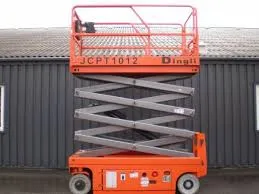
Photo: Dmitry Ivanov., CC BY-SA 4.0, via Wikimedia Commons
The wagon turns up, the machine goes up the ramps, and everyone breathes out. Job done. Then, somewhere between three weeks and three months later, an invoice lands. A cracked lower cowling. A missing charger. A 'valet charge'. And suddenly you're arguing about something that happened — or didn't — on a day nobody can properly remember.
Off-hire is the part of a MEWP hire that people treat as admin. It isn't. It's the moment the risk transfers back, and it's the only moment where your paperwork has any real power. Get it right and the machine disappears off your liability. Get it wrong and you're funding someone else's yard damage.
The inspection starts on day one, not collection day
You can't prove a scuff wasn't yours if you never recorded the scuffs that were already there. So the real handback inspection happens at delivery, in the rain, while the driver is waiting and you want to get on.
Walk the machine before it comes off the wagon if you can, or immediately after. All four corners, both sides, the basket floor, the tyres or tracks, the underside of the chassis, the decals. Look at the delivery condition report properly — not the tick-box bit, the scribbled notes and the little diagram nobody reads. If you find damage that isn't listed, get it written onto the sheet and initialled before the driver leaves. Most hire desks will do this without a fuss; the ones that won't are telling you something useful.
Photograph all of it, including the condition report itself. The sheet of paper is the document the whole dispute will hang off, so make sure you've got your own copy of it, signed and dated.
Read the damage waiver like you actually mean it
A damage waiver is not insurance, even though it's sold like it. It's a contractual cap on what you'll be charged for accidental damage, and it comes with conditions that are quietly doing a lot of work.
The things worth knowing before you sign: what the excess is, in pounds, per machine, per incident — and whether it applies once or every time. What's excluded. Tyres, glass, missing keys, missing chargers and water ingress are common exclusions. So is anything that looks like misuse: overloading the basket, running the machine outside its rated capacity, operating it on ground it was never meant to stand on, or letting someone without the right ticket in the seat.
Ask for the excess figure in writing, on the hire agreement or by email. If the hire desk can't tell you what your maximum liability is, that's a conversation to have before the machine arrives, not after.
Fuel and charge: the eighty-quid detail
Diesel machines are usually full-to-full. Electric ones are trickier — some contracts specify a charge level on return, some charge a flat recharge fee, and some charge you for the lost hire time while it's on the charger. LPG bottles have their own rules entirely.
Record the gauge at delivery and at collection, and take a photo of it both times. If a machine arrives on three-quarters of a tank and the paperwork says full, that discrepancy is worth flagging on day one rather than eating it on the way back.
Hour meters don't lie, but paperwork does
Note the hours at delivery and again at off-hire. Excess-hour charges are real, and so is the flip side: if the machine sat dead for two days waiting for a fitter, those hours are arguably not yours to pay for. A photo of the hour meter at the point of breakdown, plus the reference number of the call you logged, is a surprisingly effective argument.
Cleaning: where 'reasonable' gets tested
Mud on the tracks after a week on a housing site is normal. Concrete splatter on the basket rails, paint overspray, plaster dust in every crevice and a nest of cable ties in the footwell is not. Neither is a basket floor you'd need a scraper for.
The brute-force approach is cheap: twenty minutes with a jet wash, a broom and a bin bag before collection costs you nothing but time. The alternative is a valet charge that can run to three figures for work that takes the yard half an hour.
Photos that actually settle arguments
A photo of a scuff with no context is nearly useless. Build a trail instead:
- A wide shot showing the whole machine, in situ, with something identifying in frame — the site gate, the delivery wagon, the yard office.
- Close-ups of every panel, both sides, plus the basket floor and the tyres or tracks.
- The hour meter and the fuel or charge gauge, in focus.
- The data plate with the serial number, so nobody can claim you photographed a different machine.
- A short video walkaround with you saying the date and time out loud. It sounds daft; it has won arguments.
Back it up somewhere that isn't one bloke's phone. Cloud folder, job file, whatever your setup is — but somewhere a second person can find it in six weeks.
Collection or self-return — pick your risk
If the machine is collected, the driver is your witness. Ask them to look round it with you and sign your condition report, or at the very least note on the collection paperwork that a joint inspection took place and any points of disagreement. Once it's on the wagon without a note, you've lost the ability to say anything about its condition on the road.
If you're self-returning, do not hand over the keys without a joint walkaround at the hire desk, and get a receipt showing the hour meter reading. If they won't come out to the yard, photograph the machine where it stands, with their building in the background, and email the images to the branch before you leave the car park.
When their report doesn't match yours
It happens. Stay boring about it. Send your photos within 48 hours, reference the delivery condition report number, and ask three questions in writing: what the damage is, when they say it occurred, and for the repair invoice plus photographic evidence. Ask whether the damage was present at the previous off-hire inspection. Ask what the position is under the damage waiver.
Escalate to the branch manager if the answer is vague. Chargebacks and formal complaints exist for a reason, but they're a last resort — most disputes fold the moment you produce a timestamped photo of the same crack on delivery day.
The handback checklist
- Condition report signed, amended and copied at delivery
- All-round photos and video, plus hour meter, gauge and data plate
- Damage waiver excess confirmed in writing
- Fuel or charge level matched to the contract
- Machine washed, swept and emptied before collection
- Joint inspection at collection, or noted refusal
- Signed collection or return receipt with hours recorded
- Photo set emailed to the branch the same day
Do that lot and the invoice, if it comes at all, will be for something you can actually argue about.