Small Machine, Shorter Day: Why Over-Hiring Access Equipment Backfires
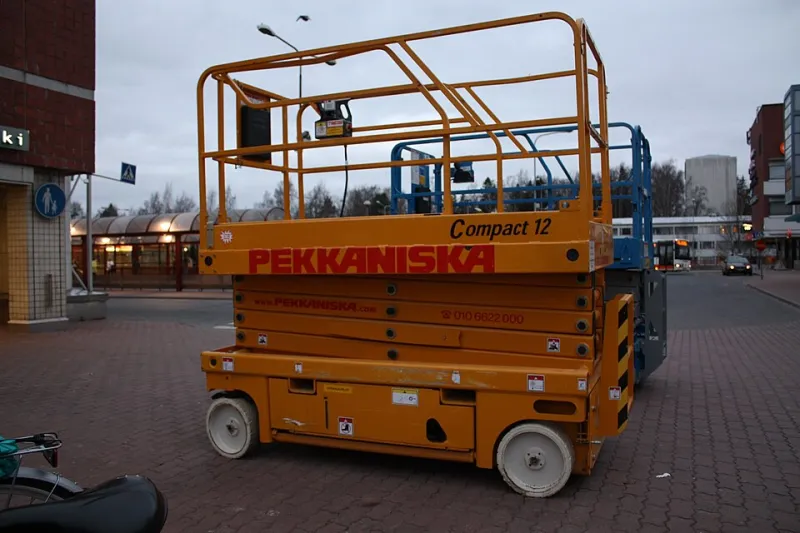
Photo: Anneli Salo, CC BY-SA 3.0, via Wikimedia Commons
There is a certain comfort in hiring the biggest machine on the list. It looks capable. It covers every height you might need. It saves you having to think too hard about the task. And then it arrives on a lorry that cannot get through the gate, needs a hard standing you do not have, and takes forty minutes to inch into a yard where a small scissor lift would have been working within ten.
Over-specifying access equipment is not a safety strategy. It is a hire decision that creates a different set of risks and costs. The right machine is the one that fits the job, the ground, the route and the people using it. Sometimes that is a big boom. Very often, it is something much smaller.
The hire list is not a leaderboard
Access hire catalogues are arranged by height, which makes it tempting to start at the top and work down. But working height is only one variable. You also need to think about reach, capacity, footprint, weight, transport dimensions, power source, ground conditions and how the machine will get from the lorry to the work area.
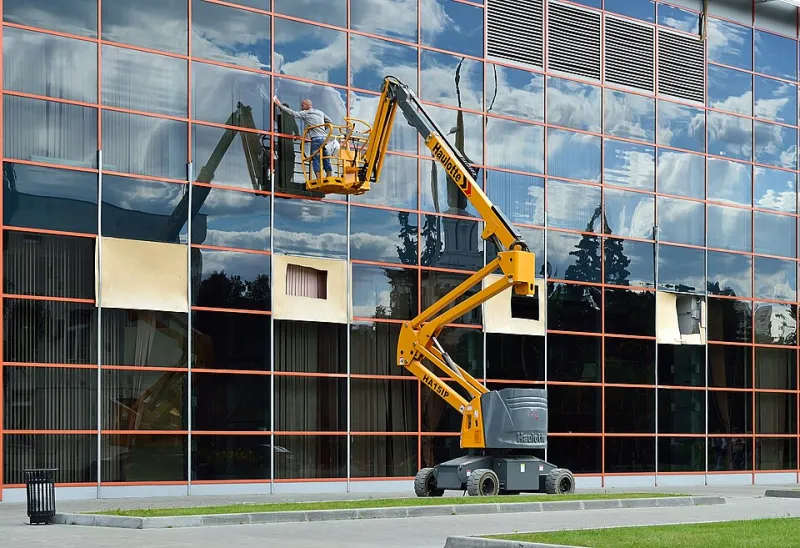
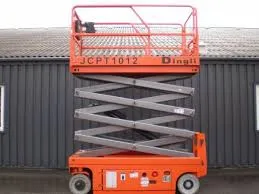
A 12m scissor lift might be perfect for a warehouse ceiling. It might be completely wrong for a retail unit with a tiled floor, a narrow service corridor and a goods lift that was never designed for that point load. A big boom might be right for a steel frame, but useless in an alleyway where the outriggers have nowhere to go. The biggest machine is not the most versatile; it is the most demanding.
Transport is where the hidden cost starts
Hire rates are only part of the story. A larger MEWP often needs a larger delivery vehicle, a wider access route and more space to unload. If the lorry cannot get close, you may need a second machine to move it, or a crane, or a suspension of the delivery until the yard is clear. That is time you did not budget for.
Check the delivery route before you confirm the hire. Gate widths, overhead cables, low bridges, weight limits, turning circles and parking restrictions all matter. A machine that fits the work area but not the route to it is not a bargain. On a tight UK high street or a cramped industrial estate, the smaller machine often wins simply because it can get in and out without a saga.
Floor loading is not a minor detail
Bigger machines are heavier. That is obvious, but the consequence is not always planned for. Suspended slabs, mezzanine floors, basements, older buildings and temporary works all have limits. A large scissor lift with a full basket and two operatives can put a serious point load through the wheels or outriggers.
A smaller machine may still need a floor assessment, but it gives you more options. A podium step or a micro scissor lift can be the difference between a job that starts on time and a job that waits for a structural engineer. If you are working in a listed building, a hospital, a school or a live retail space, the lighter option is often the practical one.
Manoeuvring in the real world
Access equipment does not operate in a clean rectangle. It works around racking, through doorways, past parked cars, under services and over uneven ground. A large machine needs more space to turn, more spotters to move safely and more protection for floors and finishes.
In a warehouse aisle, a narrow scissor lift or a vertical mast machine can often get closer to the work than a big boom. In a fit-out, a small scissor can move from room to room while the big machine is still waiting for the floor to be cleared. In a landscaped garden or a sloped yard, a tracked platform may be the only sensible way to get access without building a road.
Trade examples where smaller kit wins
An electrician changing high-bay lights in a warehouse with narrow racking aisles does not usually need a huge boom. A compact scissor or a vertical mast machine can get into the aisle, keep the footprint small and let the work start quickly.
A plumber working at low level in a retail unit with tiled floors may be better served by a podium step than a MEWP. It is lighter, easier to move and less likely to damage the floor. A signage installer working on a high street may find a small van-mounted platform or a compact trailer lift more practical than a large self-propelled machine that needs half the pavement closed.
A grounds maintenance team working on a slope or soft ground may get more done with a tracked platform than with a wheeled machine that needs mats and a tow. None of these are glamorous choices. They are just the ones that keep the day moving.
When the big machine is right
This is not an argument against large MEWPs. High reach, long duration, heavy tasks and awkward geometry sometimes demand them. If you need to get over an obstruction, reach across a roof or work at height for weeks, the big machine may be the correct and safer choice.
The point is to start with the task, not the catalogue. What is the actual working height? What reach do you need? What is the load in the basket? What is the ground like? How will the machine get there? Who will operate it? What does the manufacturer's manual say about wind, floor loading and setup? Those questions usually point to one or two sensible options, and they are rarely the biggest machine on the list.
Ask the hire desk better questions
Instead of asking for the biggest machine that reaches the height, ask for the smallest machine that does the job safely. Give the hire desk the real constraints: door widths, floor type, access route, overhead obstructions, ground conditions and the duration of the work. Ask for the machine's weight, footprint and transport dimensions, not just its platform height.
A good hire desk will push back if the smaller machine is not suitable. That is useful. A bad hire desk will give you whatever you ask for and let you find out on site. The conversation should be about the duty, not the badge on the side of the machine.
Hiring smaller kit is not about looking cheap. It is about reducing the number of things that can go wrong before the first lift. Fewer transport problems, less floor loading worry, easier manoeuvring and a shorter setup can easily outweigh the higher reach you never needed. The best hire is the one that fits the job quietly, not the one that makes the yard look impressive.