Alleyways, Arches and Awkward Corners: Picking Access Kit for Sites That Won't Take a Standard MEWP
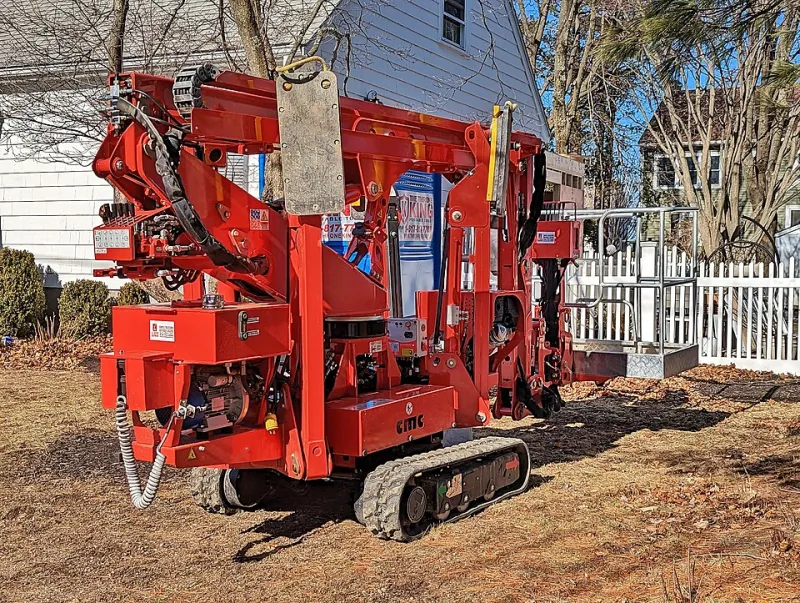
Photo: Daderot, CC0, via Wikimedia Commons
Start with the site, not the machine
Most access hire conversations start in the wrong place. Someone rings the desk and asks for a 45-foot boom because that is what the job 'needs', and then spends the following week explaining to a shopkeeper why the machine is blocking their doorway. On tight sites, the kit picks itself once you have done an honest survey of the constraints.
That survey is not a five-minute walk round with a coffee. It is a proper look at how a machine gets in, where it sits, what it reaches and who it inconveniences. Do that bit properly and the rest of the hire falls into place.
The constraints worth mapping before anything else
Work through these in order and be brutal about it:
- The approach. Gate widths, bollards, kerb heights, tight corners, low branches, cables overhead, and whether there is anywhere to turn once you are in.
- The ground. Manhole covers, drainage runs, vaulted cellars under pavements (common in older town centres), cobbles, cambers, slopes and any basement lightwells.
- The working envelope. Height needed, outreach needed, and whether you have to reach up and over something — a canopy, a bay window, a boundary wall.
- The people. Deliveries, school runs, bin day, market days, residents' parking, a café with tables outside from nine till four.
- The permissions. Highway licences, landlord consent, tenant agreements, conservation area rules, and neighbours whose goodwill you will need at 7am.
The kit that actually earns its place
Spider lifts
The tracked spider lift is the obvious answer for heritage frontages and rear service yards, and for good reason. It folds down to something approaching a large wheelbarrow in width, goes through a standard doorway or side gate, and sets up on outriggers that can be individually adjusted for uneven ground. Non-marking tracks matter on paving and stone steps, and the low point-loading of spreader plates under the outriggers is often what gets you past a building surveyor.
The trade-off is setup time. There is a knack to it, and a first-timer will lose an hour learning it. Ask the hire company for a familiarisation on the actual machine, not a two-minute walk round the yard.
Narrow-chassis scissors and booms
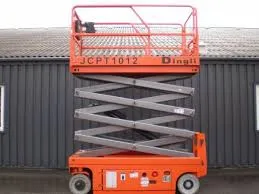
Where the ground is flat and the access is genuinely a corridor rather than a keyhole, a narrow chassis machine gives you speed and stability that a spider cannot match. Sub-metre widths exist, and electric drive means you can work indoors or in covered yards without fumes. Check the actual travel width with the guardrails in place, though — brochures quote the tidy number, not the one with the cage overhang.
Aluminium towers
Still the most under-rated option on tight sites. A tower goes up in a space a machine cannot reach, needs no fuel, and can be dismantled and moved by two people. The catch is that it has to be built, altered and struck by someone competent, and the footprint for a working platform at height is bigger than people expect once you allow for outriggers and the toe boards. On a listed façade, a tower also means tie points — and tie points mean a conversation with the conservation officer.
Podium steps and micro access
Do not overlook the low end. A significant share of 'access jobs' on tight sites are really two-metre jobs: a fascia, a fanlight, a sign bracket, a downpipe. Podium steps or a small folding platform get it done in twenty minutes with no licence, no outriggers and no neighbour negotiations.
The permissions nobody budgets for
This is where tight sites eat time. A machine sitting on the public highway needs a licence from the local authority, and the lead time varies wildly. On a heritage frontage, anything that fixes to the building is likely to need consent. Loading or craning in over a neighbouring yard is a conversation, not a right. And in residential lanes, the practical permission that matters most is often the one from the person whose parking space you are borrowing.
Sort these early. A machine on hire and idle because the licence has not come through is the most expensive kind of access equipment.
A five-question framework before you ring the hire desk
- Can it get in, fully assembled, with the cage on? If not, can it be tracked through in sections, or does it need a hiab?
- Can it set up without damaging what's underneath? Spreaders, track mats and a look at what is below the paving.
- Does the envelope actually cover the work? Add a margin — reach charts are optimistic at the edges.
- Who is inconvenienced, and have they been told? Deliveries, residents, the shop with the queue.
- Who is operating it, and are they trained on that type? Not just 'has a card' — has been on this model.
The cost of getting it wrong
A machine that is too big for the site does not just cost you the hire fee. It costs you the day the neighbours complained, the repair to the paving, the rebooked delivery and the goodwill of the client. A slightly smaller, slightly slower machine that quietly does the job in a side alley is almost always the cheaper answer by the end of the week.
Measure twice, hire once. It is a dull motto, but it has saved a lot of frontages.